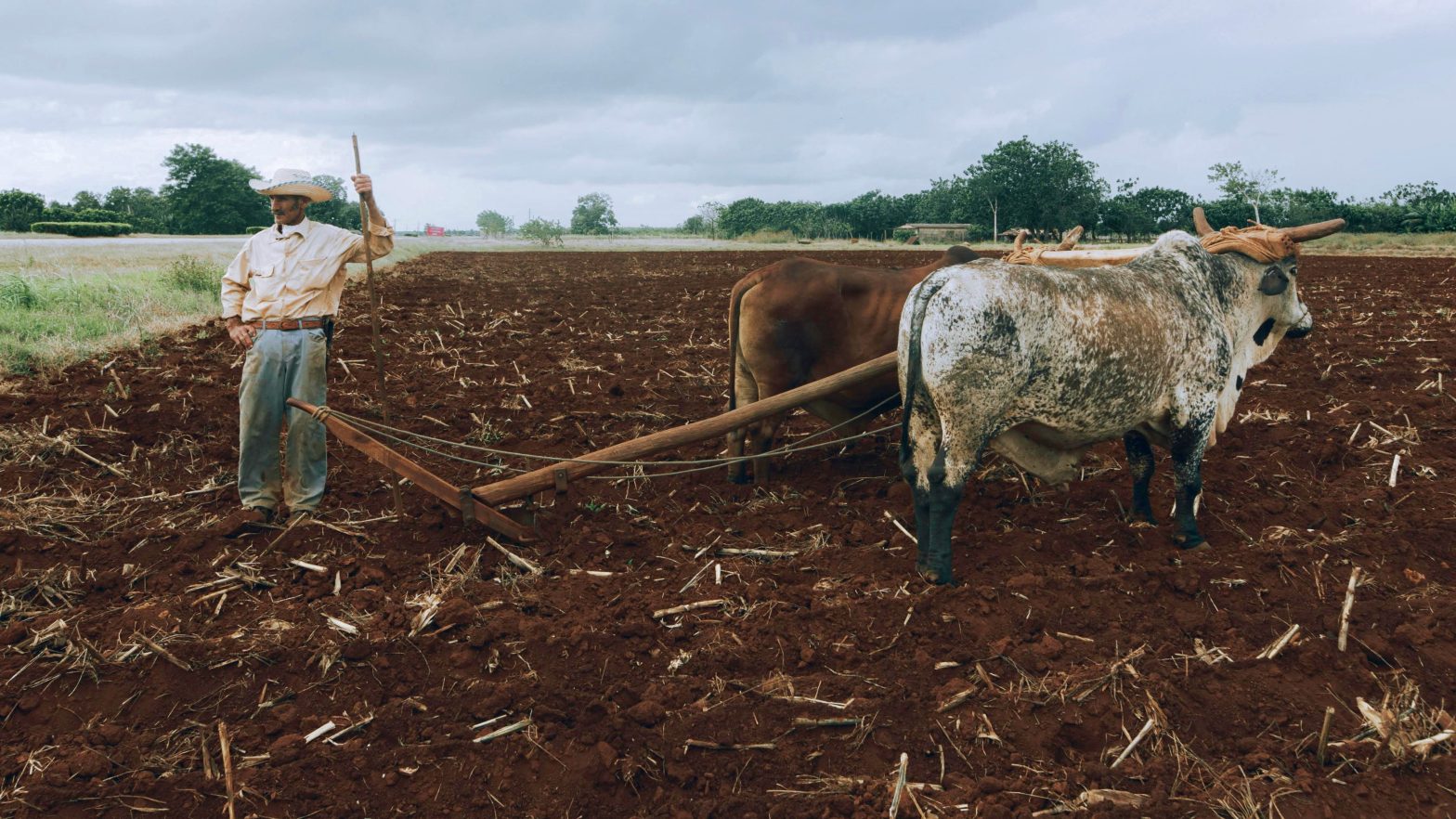
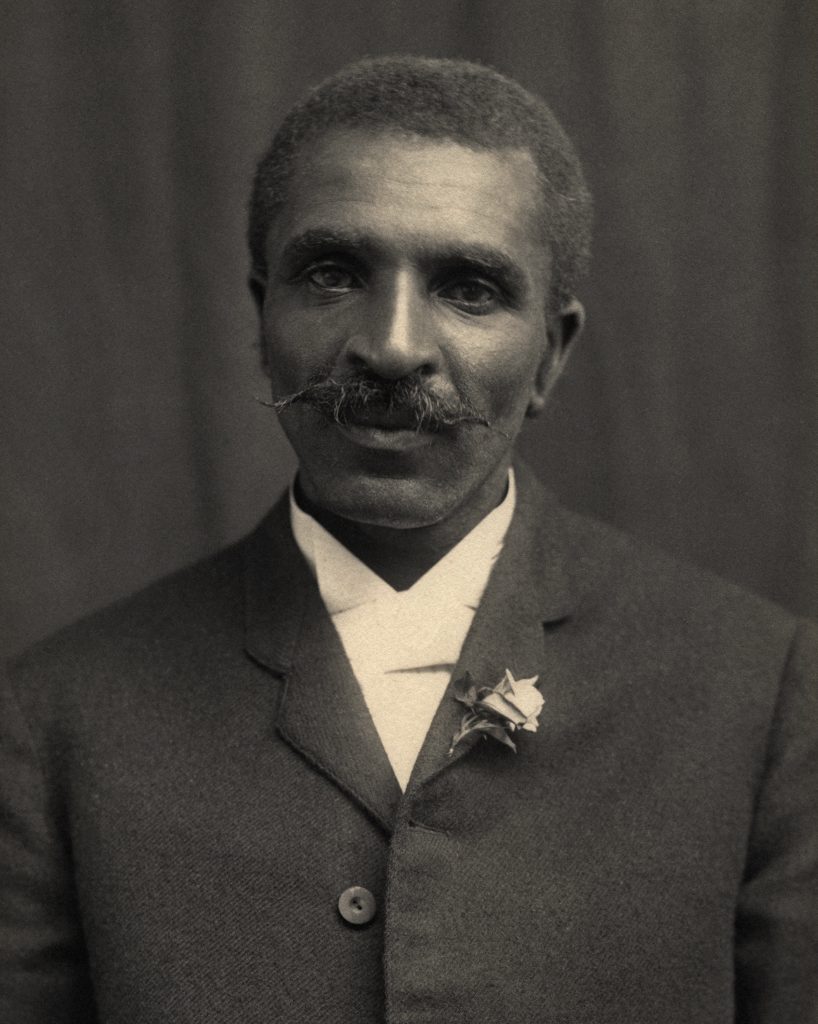
Agriculture remains the heart of food security and rural economies across the world. As global populations rise and climate patterns shift, farmers and researchers continually refine production methods to boost yields, improve soil health and reduce environmental impact. Traditional practices such as crop rotation and fallow, historical innovations championed by pioneers like George Washington Carver (1864-1943), and modern technologies, such as precision agriculture all play a role in shaping sustainable farming systems today. Several of these strategies and their effectiveness or lack thereof are highlighted through examples from the United States, Europe, and Canada.
The Legacy of Crop Rotation and Its Modern Significance
Crop rotation is one of the oldest agricultural practices still widely used today. This strategy involves alternating the types of crops grown on a piece of land across seasons or years. Rather than planting the same crop continuously, farmers rotate between families of crops, such as cereals, legumes, and root vegetables, to interrupt pest and disease cycles and improve soil fertility.
READ: Standardized Engineering Approaches to Agricultural Water Systems
In the early 20th century, agricultural scientist George Washington Carver popularized the practice of rotating cotton with nitrogen-fixing legumes like peanuts, as well as nutrient-rich root crops like sweet potatoes in the Southern United States. Carver’s work demonstrated that legumes enrich the soil with nitrogen, reducing dependency on synthetic fertilizers and revitalizing depleted land. His extensive research contributed to improved cotton productivity and other staple crops by improving soil health and farm profitability. One example, comes from How to Build Up Worn Out Soils, published in 1905, where carver writes:
“Plot 1 had a very heavy crop of wheat turned under, after which it was sown in cow-peas and sorghum-cane, putting 2½ bushels of peas and 7 pounds of sorghum (millet), at a cost of nine dollars per acre. Thirty-two dollars was the yield in forage (sold green), therefore netting twenty-three dollars.”
The 2013 USDA Economic Research Service (ERS) analysis of farm practices shows that most U.S. acreage for major crops like corn and soybeans is planted in rotational systems rather than continuous monoculture, indicating that farmers prefer rotations for practical and agronomic reasons. The ERS report explains that crop rotations help improve soil nutrient levels and break pest cycles, which are recognized as key benefits that support productivity and risk management on farm fields.
Separately, long-term agronomic research — such as the widely cited University of Wisconsin Corn and Soybean Rotation Effect trials — quantifies how these benefits can translate into measurable yield differences. In these multi-location experiments, corn grown in a corn–soybean rotation produced higher yields than continuous corn, with 13–15 percent greater grain yield in many environments.
While the ERS chart does not report yield data directly, the prevalence of rotation practices it documents aligns with agronomic evidence that rotational systems help manage nutrient availability and pest pressures — factors that contribute to the yield advantages observed in field trials.
READ: Is Chicken Farming in Kentucky the New Agricultural Gold Rush?
In Iowa and Illinois, research has also shown that a corn-soybean rotation can lead to higher average yields and reduced fertilizer requirements over time.
In Europe, crop rotation is a key component of the Common Agricultural Policy (CAP), promoting environmentally sustainable farming practices. Farmers frequently alternate cereals with legumes and cover crops, which enhances soil organic matter, supports biodiversity and improves overall soil health. Research across European cropping systems has shown that including legumes such as peas or clover in rotations can supply biologically fixed nitrogen to subsequent cereal crops, reducing the reliance on synthetic nitrogen fertilizers while maintaining crop productivity.
In Canada, particularly in the Prairie provinces, diverse rotations that include canola, wheat, barley and pulses help manage disease and break weed cycles. Saskatchewan research indicates that including pulses in crop rotations can improve subsequent wheat yields by enhancing soil nitrogen and disrupting disease life cycles.
Fallow: Is It Still Practiced?
The practice of leaving land fallow — intentionally unplanted for a season or more — was historically used to conserve moisture and restore soil fertility. In semi-arid regions, fallow allowed soil to accumulate water and organic matter before the next crop. However, modern agronomic research and changing economic pressures have called fallow into question.
In the U.S. Great Plains, traditional summer fallow systems were once common for dryland wheat production. These systems involved leaving fields unplanted every other year to conserve soil moisture for the following crop. While fallow often increased soil water content, it also left soil bare and vulnerable to erosion, especially wind erosion during dry periods.
Conservationists and agronomists now advocate for alternative strategies, such as continuous cropping with cover crops — a plant grown primarily to benefit the soil, rather than for harvest — instead of traditional fallow. Cover crops protect soil between cash crops, reduce erosion, and improve organic matter without leaving land bare. Studies in Montana and North Dakota show that continuous cropping systems with deep-rooted cover crops maintain soil moisture effectively while reducing erosion compared to fallow systems.
In much of Europe and Canada, fallow is rare today. Instead, farmers utilize green manure crops, cover crops and precision water management to maintain soil health year-round. These practices align with environmental policies and economic incentives that prioritize productive land use.
Tilling, Ploughing, and Terracing: Managing Soil Disturbance and Landscape Stability
Tillage is a fundamental agricultural practice that involves mechanically loosening or stirring the soil to prepare a seedbed, incorporate residues and manage weeds. Traditional tillage can take many forms, from shallow disking to deep chisel plowing and its intensity directly affects soil structure and moisture retention. While tillage helps aerate compacted soils and creates a smooth surface for planting, excessive or repeated tilling can disrupt soil aggregates, reduce organic matter and increase vulnerability to erosion.
READ: Why 99 Percent of Canadians Are Denied Entry into Farming
Ploughing, a specific form of intensive tillage, typically uses a moldboard plow to invert the soil, burying surface residues and weeds. This method can be effective for controlling weeds and mixing crop residues into the soil, but it also significantly disturbs soil layers, accelerates organic matter decomposition and may degrade soil structure over time.
In contrast, reduced tillage and no-till systems are designed to minimize soil disturbance. No-till involves planting seeds directly into the undisturbed soil of a previous crop, leaving residues on the surface. This approach improves water infiltration, retains soil moisture, preserves organic matter and fosters beneficial soil microorganisms, creating a more resilient and sustainable cropping system. By carefully choosing between tillage intensity, ploughing and no-till, farmers can balance short-term weed and residue management with long-term soil health and productivity.
In the U.S. Midwest, adoption of no-till practices has grown steadily. USDA data indicate that no-till systems cover millions of acres of corn and soybean fields. Research suggests that no-till soils can store more carbon and maintain better moisture levels during drought, resulting in more stable yields under variable weather conditions. However, some farmers note increased reliance on herbicides to manage weeds that would otherwise be disturbed by ploughing.
European farmers have embraced reduced tillage as part of sustainable intensification efforts. In France and Germany, no-till and minimum-tillage systems are common in cereal production. A long-term trial in Boigneville, France demonstrates that reduced tillage can lead to enhanced soil carbon stratification (an indicator of improved soil structure) and, when compared with deep ploughing, lower fuel and energy requirements for tillage operations. In these long-term rotations, crop yields were generally not significantly reduced under reduced tillage. In another study in Boigneville, findings show that shifting from conventional ploughing to shallow tillage or direct seeding substantially lowers diesel use, with estimated fossil fuel reductions of roughly 28 L/ha under superficial tillage and 41 L/ha under direct seeding. Across comparable loamy and clay soils, reduced-tillage systems typically save about 20 L/ha annually — sometimes significantly more in heavier soils — resulting in overall cropping-system energy savings of approximately 6–11 % without affecting harvested biomass yields.
At the same time, there has been research that shows the contrary. For instance, in one study examining the broader implications of reduced tillage practices, researchers compiled a large dataset of long-term tillage comparisons and found that the adoption of reduced or no-tillage systems does not universally maintain yields across all conditions. This synthesis reported that no-till systems, when implemented without additional conservation practices, are associated with an average reduction in crop yields compared with conventional tillage, and that yield responses vary substantially depending on crop type, soil properties and management context.
However, the long-term French trials at Boigneville and similar integrated rotations — including cover crops and crop diversification — consistently show no significant yield penalty under reduced or no-till compared to conventional tillage, supporting the notion that carefully designed conservation systems can sustain productivity over decades.
READ: How Much of Canada Is Actually Farmland?
In Canada, particularly in the Prairie provinces, no-till agriculture is widely practiced due to its benefits in conserving moisture and reducing erosion. Research from the Standing Committee on Agriculture and Agri-Food Canada demonstrates that long-term no-till systems can increase soil organic carbon levels and reduce production costs. However, farmers must manage residue cover carefully to prevent challenges, such as slower soil warming in the spring.
Beyond the question of how soil is disturbed horizontally, farming systems must also address how land is shaped vertically, particularly in hilly or mountainous regions. Terracing is an agricultural strategy that involves cutting a series of stepped, flat surfaces into sloped terrain, allowing crops to be grown on land that would otherwise be prone to severe erosion. While terracing is often associated with traditional farming systems, it remains highly relevant in modern soil conservation and climate adaptation efforts.
Terracing fundamentally alters water movement across a field. Instead of rainfall rapidly flowing downhill and stripping away topsoil, terraces slow runoff and encourage infiltration. This makes terracing especially effective in regions with steep slopes and seasonal heavy rainfall. Studies in the Mediterranean and other parts of the world show that terraced fields can reduce soil erosion by more than 50 percent compared with un-terraced slopes, while also improving moisture retention during dry periods. These benefits are particularly important in vineyards and olive groves in countries such as Italy and Spain, where terraces help preserve thin, erosion-prone soils.
In the United States, terracing is most common in parts of the Midwest and Appalachia, where rolling landscapes dominate agricultural land. In states such as Iowa, Missouri, and Pennsylvania, contour terracing is used alongside reduced tillage to minimize runoff and nutrient loss. According to a Natural Resources Conservation Service (NRCS) technical document, terraces can reduce overall sediment yield by approximately 30 – 95 percent, depending on the terrace type and design. In particular, level storage terraces can reduce sediment yield up to 100 percent for storm events equal to or less than the design storm, and underground outlet terraces can trap 85 – 99 percent of sediment before it leaves the field. These figures reflect terrace effectiveness at slowing runoff, trapping soil particles, and interrupting erosion pathways on sloped farmland — providing a measurable basis for claiming that terraces substantially lower soil loss in agricultural settings.
READ: The Long Rise of California’s Almond Industry
Terracing also plays a significant role in Canadian agriculture, particularly in regions with undulating terrain and high erosion risk. In parts of British Columbia and eastern Canada, terraces are integrated with perennial crops and rotational systems to stabilize soils and manage excess moisture. When combined with reduced tillage or no-till practices, terracing can further enhance soil structure by preventing compaction and preserving organic matter on slopes where ploughing alone would accelerate degradation.
From a management perspective, terracing requires upfront investment and careful engineering, but its long-term benefits can outweigh initial costs. Terraced systems reduce the need for corrective measures, such as reapplying lost nutrients or repairing erosion damage. When paired with modern practices like precision agriculture, terraces can also be mapped and maintained more efficiently, ensuring even water distribution and consistent yields across variable terrain.
While flat, large-scale grain systems may rely primarily on tillage choices to protect soil, terracing remains a critical strategy where topography itself is the main limiting factor. Its continued use across different continents demonstrates that landscape-level solutions, when combined with appropriate soil management techniques, are essential for sustainable agricultural productivity.
Emerging Innovations and Strategies for the Future
While traditional practices remain fundamental, emerging innovations are reshaping modern agriculture. Precision agriculture uses technology such as GPS guidance, drones and soil sensors to optimize inputs and monitor crop health at fine scales. By applying fertilizers and water only where needed, precision systems increase efficiency and reduce environmental impact.
Field research from the U.S. Great Plains, particularly in Nebraska, shows that variable-rate fertilizer applications guided by soil nutrient mapping and crop sensors can maintain or improve yields while reducing excess input use. Studies conducted through Nebraska Extension and USDA-supported precision agriculture trials demonstrate that site-specific nutrient management allows crops in high-potential zones to receive adequate fertility, while avoiding over-application in lower-yielding areas. Although yield responses vary by soil type and season, these systems consistently improve nutrient use efficiency and input cost management. Precision tools also support climate resilience by allowing producers to detect early signs of crop stress and respond quickly with targeted management adjustments.
READ: Inside the World of Canadian Horse Farming
Another innovation gaining traction is cover cropping, mentioned earlier, where plants such as rye, vetch, or clover among others are grown between cash crops. Cover crops improve soil structure, suppress weeds, and increase biodiversity. In Ontario, Canadian researchers have found that well-managed cover crops can reduce compaction, add organic matter, and improve subsequent corn and soybean yields. While cover crops require upfront investment and careful management, long-term benefits often outweigh costs through improved soil health and reduced input needs.
Advances in biologicals — microbial products that enhance nutrient uptake or suppress pests — are also emerging. These products, including mycorrhizal fungi and nitrogen-fixing inoculants, aim to reduce dependence on synthetic fertilizers. A large dataset analysis of commercial Rhizophagus irregularis inoculation across 231 field trials in Europe and North America found that this mycorrhizal fungus increased marketable potato yields by an average of approximately 9.5 percent under real field conditions, demonstrating that certain microbial inoculants can enhance crop productivity beyond native soil microbiomes, although these benefits remain species- and site-specific.
In a 2025 European field study, inoculating Helianthus annuus (sunflower) with a local arbuscular mycorrhizal fungal consortium increased grain yield by ~16 percent and oil yield by up to 36 percent under low soil fertility, highlighting context-dependent yield benefits of microbial biologicals in crop production.
Additionally, regenerative agriculture has gained attention as a holistic approach that integrates cover cropping, reduced tillage, diverse rotations and grazing management to rebuild soil health and enhance ecosystem services. While metrics vary, some regenerative systems report increased soil organic carbon and resilience to drought, though more long-term research is needed to validate widespread yield benefits.
Regional Examples of Effectiveness
Across the United States, regional variations in climate and soils influence the adoption and effectiveness of agricultural strategies. In the humid Corn Belt, crop rotation with soybeans improves yield stability and reduces nitrogen fertilizer needs. In the semi-arid Plains, no-till and cover crops help conserve soil moisture and reduce erosion compared to traditional fallow systems.
In Europe, policy incentives under the CAP encourage environmentally sustainable practices. Crop diversification, reduced tillage and cover crops are widely adopted in countries such as France and Germany. These approaches have contributed to reduced erosion rates and improved soil organic matter in many agricultural regions.
In Canada, especially in the Prairie provinces, no-tillage and diverse rotations are critical for managing moisture and combating wind erosion. For instance, research has shown that including pulse crops such as peas, lentils, and chickpeas in crop rotations can increase the amount of nitrogen available in the soil through biological nitrogen fixation. Over multiple growing seasons, these pulse-based systems have been associated with higher overall grain production and improved long-term soil fertility compared to more traditional cereal-heavy rotations. Additional Canadian studies indicate that integrating cover crops into rotations helps retain and recycle nutrients, including nitrogen, while improving soil health over time. Together, pulses and cover crops contribute to more resilient cropping systems that rely less heavily on synthetic nitrogen fertilizers and support sustained productivity.
Integrating Practices for Resilient Agriculture
Agricultural strategies such as crop rotation, fallow alternatives and soil disturbance management each play a vital role in sustainable production systems. While traditional practices like rotation remain foundational, innovations in technology and regenerative approaches offer farmers new tools to enhance efficiency and resilience. Regional variations in climate and policy shape how these strategies are adopted, but the overarching goal remains consistent: to produce food sustainably, protect natural resources and support farming communities for generations to come.
How do you decide when to adopt a high-tech farming tool versus sticking with a proven, time-tested traditional method on your operation?
Sources
- Achankeng, E., & Cornelis, W. (2023). Conservation tillage effects on European crop yields: A meta-analysis. Field Crops Research, 298, 108967. https://doi.org/10.1016/j.fcr.2023.108967
- Al-Musawi, Z. K., Vona, V., & Kulmány, I. M. (2025). Utilizing different crop rotation systems for agricultural and environmental sustainability: A review. Agronomy, 15(8), 1966. https://doi.org/10.3390/agronomy15081966
- Arcidiacono, M., Ercoli, L., Piazza, G., & Pellegrino, E. (2024). Field inoculation with a local arbuscular mycorrhizal (AM) fungal consortium promotes sunflower agronomic traits without changing the composition of AM fungi coexisting inside the crop roots. Applied Soil Ecology, 206, 105830. https://doi.org/10.1016/j.apsoil.2024.105830
- Deng, C., Zhang, G., Liu, Y., Nie, X., Li, Z., Liu, J., & Zhu, D. (2021). Advantages and disadvantages of terracing: A comprehensive review. International Soil and Water Conservation Research, 9(3), 344–359. https://doi.org/10.1016/j.iswcr.2021.03.002
- Dimassi, B., Cohan, J., Labreuche, J., & Mary, B. (2013). Changes in soil carbon and nitrogen following tillage conversion in a long-term experiment in Northern France. Agriculture Ecosystems & Environment, 169, 12–20. https://doi.org/10.1016/j.agee.2013.01.012
- Documentation Of Literature, Data, And Modeling Analysis To Support The Treatment Of CSA Practices That Reduce Agricultural Soil Carbon Dioxide Emissions And Increase Carbon Storage. (2025). In USDA. USDA. Retrieved July 14, 2026, from https://www.usda.gov/sites/default/files/documents/USDA_Durability_WhitePaper_01_14.pdf
- Duell, E. B., Cobb, A. B., & Wilson, G. W. T. (2022). Effects of commercial arbuscular mycorrhizal inoculants on plant productivity and Intra-Radical Colonization in Native Grassland: Unintentional De-Coupling of a symbiosis? Plants, 11(17), 2276. https://doi.org/10.3390/plants11172276
- Ebel, R., & Wallander, S. (2013, April 13). Crop rotation is far more common than continuous planting of major field crops | Economic Research Service. Retrieved July 14, 2026, from https://www.ers.usda.gov/data-products/charts-of-note/chart-detail?chartId=76619#
- Evidence – AGRI (44-1) – No. 18 – House of Commons of Canada. (2022, May 9). Retrieved July 14, 2026, from https://www.ourcommons.ca/DocumentViewer/en/44-1/AGRI/meeting-18/evidence
- Gan, Y., Bandara, M., May, W., Liu, K., & Knight, D. (2023, June 15). Using pulse crop rotations to enhance soil carbon & nitrogen dynamics | Saskatchewan Pulse Growers. Saskatchewan Pulse Growers. https://saskpulse.com/resources/using-pulse-crop-rotations-to-enhance-soil-carbon-nitrogen-dynamics/
- Gan, Y., Hamel, C., O’Donovan, J. T., Cutforth, H., Zentner, R. P., Campbell, C. A., Niu, Y., & Poppy, L. (2015). Diversifying crop rotations with pulses enhances system productivity. Scientific Reports, 5(1), 14625. https://doi.org/10.1038/srep14625
- Hammad, A. A., Haugen, L. E., & Børresen, T. (2004). Effects of stonewalled terracing techniques on Soil-Water conservation and wheat production under Mediterranean conditions. Environmental Management, 34(5), 701–710. https://doi.org/10.1007/s00267-003-0278-9
- How to build up worn out soils : Carver, George Washington, 1864?-1943 : Free Download, Borrow, and Streaming : Internet Archive. (1905). Internet Archive. Retrieved July 14, 2026, from https://archive.org/details/CAT31355455/mode/2up
- Labreuche, J., Lellahi, A., Malaval, C., & Germon, J. (2011). Impact of no-tillage agricultural methods on the energy balance and the greenhouse gas balance of cropping systems. Cahiers Agricultures, 20(3), 204–215. https://doi.org/10.1684/agr.2011.0492
- Dimassi, B., Mary, B., Wylleman, R., Labreuche, J., Couture, D., Piraux, F., & Cohan, J. (2014). Long-term effect of contrasted tillage and crop management on soil carbon dynamics during 41 years. Agriculture Ecosystems & Environment, 188, 134–146. https://doi.org/10.1016/j.agee.2014.02.014
- Lauer, J., Porter, P., & Oplinger, E. (1997, April). The corn and soybean rotation effect – Wisconsin Corn Agronomy. Retrieved July 14, 2026, from https://corn.aae.wisc.edu/AA/A014.aspx
- Mallarino, A., Department of Agronomy, Pecinovsky, K., Repke, R., & Thompson, L. (2026). Corn, soybean, oat, and alfalfa yields as affected by the crop rotation and nitrogen fertilization for corn in northeast Iowa. In Iowa State University, Northeast Research and Demonstration Farm ISRF15-13 (pp. 28–29). Iowa State Univ. https://www.agronext.iastate.edu/soilfertility/info/NE%20farm%20report%20Winter%202016_Crop%20rotations%20and%20N%20fertilization.pdf
- Natural Resources Conservation Service. (2002). Conservation Practice Standard (Texas Addendum) Terrace, Level (Ft.) Code 600B. Retrieved July 14, 2026, from https://efotg.sc.egov.usda.gov/references/Delete/2005-12-17/600btx0602.pdf
- North Dakota growers should consider planting a cover crop this fall. (2025, September 10). Plone Site. Retrieved July 14, 2026, from https://www.ag.ndsu.edu/news/newsreleases/2025/september/north-dakota-growers-should-consider-planting-a-cover-crop-this-fall
- Olson, M. (2024, January 10). More than $10 million awarded to USask crop research projects – College of Agriculture and Bioresources. University of Saskatchewan. https://agbio.usask.ca/news/2024/01/more-than-10-million-awarded-to-usask-crop-research-projects.php
- Pearsons, K. A., Omondi, E. C., Heins, B. J., Zinati, G., Smith, A., & Rui, Y. (2022). Reducing tillage affects Long-Term yields but not grain quality of maize, soybeans, oats, and wheat produced in three contrasting farming systems. Sustainability, 14(2), 631. https://doi.org/10.3390/su14020631
- Quinn, L. (2025, June 23). Corn after soy: New study quantifies rotation benefits and trade-offs | College of Agricultural, Consumer & Environmental Sciences | Illinois. https://aces.illinois.edu/news/corn-after-soy-new-study-quantifies-rotation-benefits-and-trade-offs
- Stelljes, K. B. (2000, August 23). No-Till and nitrogen optimize grain yields and environmental protection : USDA ARS. Retrieved July 14, 2026, from https://www.ars.usda.gov/news-events/news/research-news/2000/no-till-and-nitrogen-optimize-grain-yields-and-environmental-protection
- Thompson, L., & Puntel, L. (2021, October 28). Optimize your Nitrogen Investment with Precision Agriculture Technologies. Institute of Agriculture and Natural Resources CropWatch. Retrieved July 14, 2026, from https://cropwatch.unl.edu/2021/optimize-your-nitrogen-investment-precision-agriculture-technologies/
- Van Eerd, L. (2025, November 7). Long-term cover crop experiment: How much difference do cover crops make? – Grain Farmers of Ontario. Grain Farmers of Ontario. Retrieved July 14, 2026, from https://gfo.ca/research-projects/c2017ag07
- Wyffels, S. A., Bourgault, M., Dafoe, J. M., Lamb, P. F., & Boss, D. L. (2021). Introducing cover crops as a fallow replacement in the Northern Great Plains: I. Evaluation of cover crop mixes as a forage source for grazing cattle. Renewable Agriculture and Food Systems, 37(4), 292–302. https://doi.org/10.1017/s1742170521000417