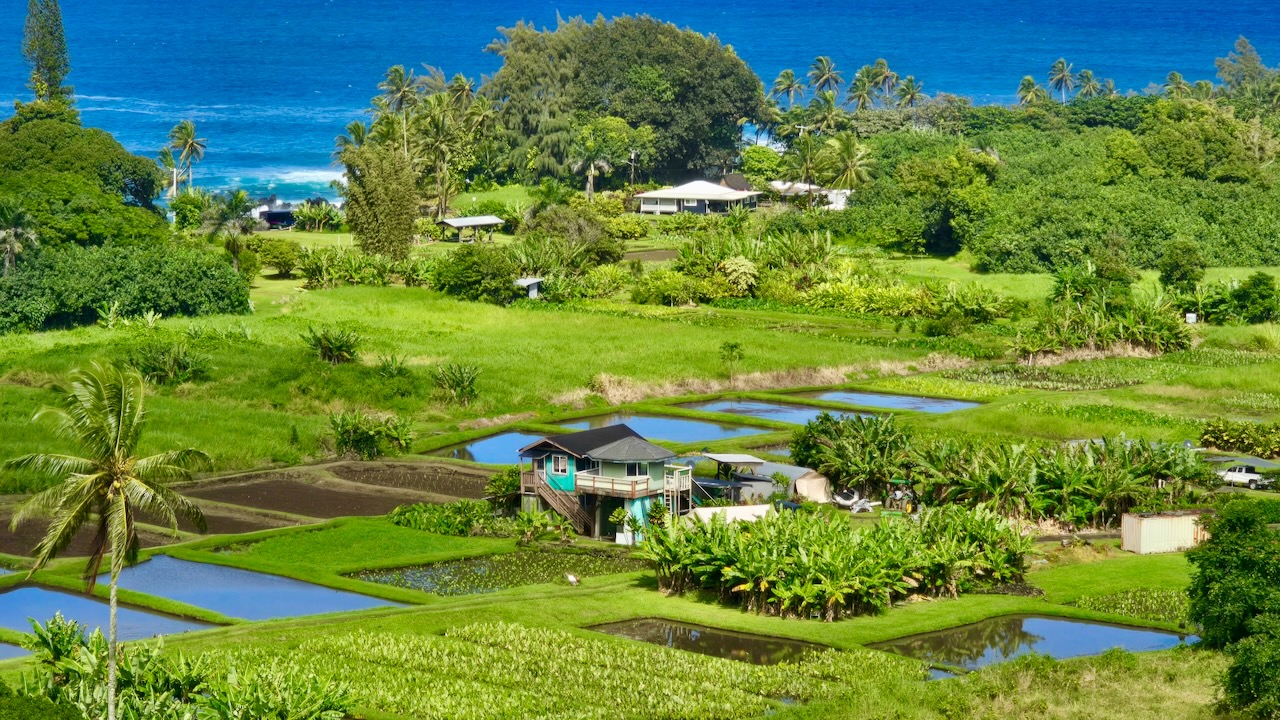
Hawaii’s agricultural industry occupies a distinctive position in the United States. Its tropical climate, volcanic soils and geographic isolation support crops that cannot be produced economically across much of the mainland. Yet the same island geography that gives Hawaiian agriculture its competitive advantages also creates significant challenges, including high transportation costs, dependence on imported food, limited farmland and competition for water and labour.
Today, Hawaii’s agricultural economy extends well beyond its historic sugar and pineapple plantations. Coffee, macadamia nuts, diversified tropical crops, livestock, seed production and specialty products all contribute to the sector. Understanding the industry requires looking at its export markets, the origins of its food supply and the federal and state policies that shape what farmers can grow and sell.
The Leading Agricultural Industries Today
Coffee remains one of Hawaii’s most recognizable agricultural products. The Kona region on the Big Island is particularly famous for its coffee, which benefits from a combination of volcanic terrain, local climate and established brand recognition. Smaller producers also grow coffee in other parts of the state. Premium coffee is sold to consumers and specialty retailers across the United States and internationally, although producers must compete with lower-cost coffee from countries such as Brazil, Colombia and Vietnam.
READ: U.S. Farm Fatalities Over 25 Years: Risks, Regulations, and Safety Gaps
Macadamia nuts are another established crop, particularly on the Big Island. Nuts are sold in-shell or processed into roasted snacks, confectionery ingredients and other food products. Mainland US consumers represent an important market, with additional international sales depending on the producer and product. Hawaii’s macadamia industry faces competition from larger producers, including Australia and South Africa, and is vulnerable to weather, input costs and fluctuating market prices.
Tropical fruit and diversified agriculture include papaya, bananas, avocados, mangoes, lychee and other specialty crops. Papaya has historically been an important commercial fruit, with production influenced by plant disease and the development of genetically engineered varieties resistant to papaya ringspot virus. These crops supply local consumers as well as selected mainland markets. Their ability to reach distant customers depends on careful harvesting, refrigeration, shipping schedules, and buyer price tolerance.
Cattle ranching and livestock remain important components of Hawaii’s agricultural economy, particularly on the Big Island, where extensive grasslands support large cattle operations. The state has a long ranching tradition, dating back to the introduction of cattle in the late eighteenth century. The historic Parker Ranch, established in the nineteenth century, became one of the largest privately owned cattle ranches in the United States. Today, Hawaii’s ranchers raise cattle for beef production, with the vast majority of calves shipped to the mainland for finishing and processing because local feed supplies and meat-processing capacity are limited. Ranchers must contend with drought, rising feed and transportation costs, invasive plant species and competition for pastureland. Beyond cattle, Hawaii also supports smaller-scale hog, poultry, goat and sheep operations, although these industries also face competition from imported meat and animal products.
Agriculture also varies considerably across the other islands. Maui produces cattle, vegetables, tropical fruits, flowers and nursery plants, while Oahu supports diversified farms supplying fresh produce, eggs and other products to local consumers, restaurants and hotels. Kauai has a mix of cattle ranching, diversified crop production and seed-related agricultural operations. Across the islands, farmers grow leafy greens, tomatoes, cucumbers, root crops and other vegetables, while commercial nurseries supply ornamental plants and landscaping materials. Flower production, including tropical blooms and orchids, serves both local demand and selected mainland markets. Honey production and other small-scale agricultural enterprises further contribute to rural incomes. These businesses are particularly important to Hawaii’s efforts to strengthen local food supplies, although limited land, high operating expenses, labour shortages and the cost of transporting products between islands and to mainland markets continue to constrain growth.
Agricultural seed production has historically been a major commercial activity, though the sector has contracted in recent years due to corporate consolidation and regulatory pressure, particularly involving research and development of crop varieties. Its economic importance can exceed what might be expected from the acreage involved. However, the sector has attracted controversy in the past over pesticide applications, genetically modified crops, environmental protection and the relationship between agricultural companies and local communities.
READ: Canada’s Fertilizer Advantage Tested as Middle East Crisis Drives Up Costs
Sugar and pineapple, once central to Hawaii’s plantation economy, no longer dominate commercial agriculture as they did during the twentieth century. Sugar production ended in 2016 with the closure of the final major plantation operation, reflecting long-term competitive pressures, high costs and changing market conditions.
Where Hawaii’s Agricultural Products Are Sold
The mainland United States is a major destination for Hawaii’s specialty agricultural products, particularly premium coffee, macadamia nuts, tropical fruit and selected livestock products. International markets also matter, especially for products with established reputations or specialized buyers.
United States Department of Agriculture (USDA)-based estimates put Hawaii’s domestic agricultural exports abroad at approximately $344 million in 2024. The largest category was other plant products, at $240 million, followed by tree nuts at $44 million and other livestock products at $42 million. These figures cover a broader range of products than coffee and fruit alone.
READ: The Evolution of Agriculture in Puerto Rico: History, Exports and Modern Realities
Hawaii’s agricultural products reach several established international markets. For coffee, Japan, Canada and South Korea are documented overseas destinations, although their rankings vary by whether the coffee is exported green or roasted. Japan was Hawaii’s leading international coffee market in 2023. While macadamia nuts are marketed primarily to U.S. consumers, Japan ranks among the top three destinations for nut exports as well. According to Ed Schultz, Hawaiian Host Group’s president and CEO, between 30 and 40 percent of these nuts grown by the largest grower in the state are exported to China, where labour is significantly cheaper.
For tropical fruit, Hawaii’s papaya industry has identified Canada and Japan among its international markets, in addition to mainland US distribution. Germany is also a key destination. Fresh fruit shipments must meet applicable agricultural inspection and quarantine requirements, and their commercial viability depends on maintaining quality during transportation.
The mainland is also an important destination for Hawaii’s cattle industry. Ranchers commonly ship weaned calves to mainland feedlots, where the animals are finished before slaughter and processing. California is a specifically documented destination, although publicly available industry sources do not establish a definitive ranking of the other destination states. The cattle trade developed partly because shipping grain to Hawaii became expensive and local feedlots closed. This arrangement gives ranchers access to larger finishing and processing operations, but it also means that much of the economic activity associated with finishing and processing Hawaiian-raised cattle takes place outside the state.
Exporting is not automatically profitable. Freight, refrigeration, packaging, inspection and distribution can absorb much of a small farm’s margin, especially with bottleneck disruptions and skyrocketing fuel costs. Processed products, such as roasted coffee and packaged nuts, may offer a practical way to add value before shipment.
How Dependent Is Hawaii on Imported Food?
Hawaii’s dependence on outside food supplies is one of its most significant agricultural vulnerabilities. The state’s climate supports a wide range of crops, but its population, tourism industry and livestock sector require much more food than local farms produce.
The Hawaii Climate Change Portal estimates that approximately 85–90 percent of the food consumed in Hawaii is imported. This is a measure of overall food dependence, not the percentage of imports originating from any particular country.
The mainland United States supplies a substantial share of Hawaii’s food, while foreign countries also provide important products. In addition to shipments from the mainland, Hawaii imports a variety of processed foods and agricultural products — including prepared fruits, vegetables, and flour — from foreign trade partners such as Japan, China, Thailand, and South Korea. This makes sense when considering the proximity of these nations to the island state. Goods commonly enter through Honolulu Harbor before being distributed among the islands.
READ: Agriculture in Guam and the Northern Mariana Islands
The state’s own agricultural and food trade figures illustrate the imbalance. In 2024, state-tracked agricultural and food imports were valued at approximately $233.8 million against $56.8 million in exports. These figures reflect the report’s defined trade categories and should not be mistaken for the value of every food shipment entering Hawaii.
The Historical Transformation of Hawaiian Agriculture
Before Western commercial plantations expanded, Native Hawaiians developed food systems based on taro, sweet potato, breadfruit, fishponds and integrated land and water management. These systems supported communities across diverse environments, from irrigated valleys to drier uplands.
During the nineteenth century, commercial sugar production expanded substantially. A pivotal development came in 1876, when a reciprocity treaty with the United States allowed Hawaiian sugar to enter the American market duty-free. Investment in plantations, mills, irrigation and transportation followed, alongside the arrival of immigrant labourers from several countries. Pineapple later became another defining export industry.
This plantation model shaped land ownership, infrastructure, and the economy for generations. But global competition, high operating costs, changing trade conditions, and shifting land uses eventually undermined plantation agriculture, just as similar economic pressures reshaped agricultural regions around the world.
The Main Challenges Facing Hawaiian Farmers
Despite its agricultural potential, Hawaii remains an expensive place to farm. Land prices, labour, irrigation, equipment, fertilizer, animal feed and transportation all increase production costs. Livestock producers face particular difficulties because much of the feed must be shipped in, while limited slaughter and processing facilities force most cattle producers to send animals to the mainland as noted above.
READ: The Long Rise of California’s Almond Industry
Climate variability creates further uncertainty. Drought can reduce pasture and crop yields, heavy rainfall can cause erosion, and invasive insects, plant diseases and other pests threaten production. Farmers must also protect watersheds and sensitive ecosystems while competing with residential development and tourism for land and water.
Biosecurity regulations present another challenge. Federal quarantine requirements protect mainland agriculture from pests and diseases associated with certain Hawaiian crops. However, inspections, approved treatments and lengthy crop-specific assessments can make it difficult for growers to enter new mainland markets. A 2026 report on Hawaii’s agricultural regulations highlighted these barriers as a major constraint on expanding exports, representing an estimated loss of up to $800 million.
Federal and State Policies Shaping Agriculture
Agricultural policy affects not only how much Hawaii produces, but also which industries can expand. At the federal level, the USDA supports farmers through programs covering conservation, agricultural research, disaster assistance, crop insurance and farm financing.
Federal Farm Bill programs provide practical support to Hawaii’s farmers and ranchers in several ways:
Farm loans and microloans: The USDA Farm Service Agency (FSA) offers financing to eligible producers who cannot obtain suitable commercial credit. Funds can help pay for livestock, farm equipment, seeds, fertilizer, feed and other operating expenses. For example, a small coffee grower could use an operating microloan to purchase equipment or expand production. Operating microloans are available for amounts up to $50,000.
Crop insurance and disaster assistance: Federal risk-management programs help eligible producers manage losses caused by severe weather, crop damage and other covered events. Hawaii growers can obtain insurance for certain crops, including coffee and macadamia nuts. The Noninsured Crop Disaster Assistance Program (NAP) may also help eligible producers growing crops for which federal crop insurance is unavailable.
Conservation and irrigation improvements: Through the Environmental Quality Incentives Program (EQIP), the USDA’s Natural Resources Conservation Service can help eligible farmers and ranchers pay for approved conservation practices. In Hawaii, these may include measures to reduce soil erosion, improve water management and protect grazing land. Such assistance can be particularly relevant to cattle ranches and farms affected by drought or water shortages.
Livestock and pasture protection: Programs such as the Livestock Forage Disaster Program (LFP) may provide assistance to eligible ranchers who experience qualifying grazing losses because of drought or fire. The Emergency Conservation Program can also help restore agricultural land and certain farm infrastructure damaged by natural disasters, subject to program requirements.
These programs do not provide automatic payments to every farm. Eligibility, approved practices, insurance availability and funding requirements vary. Nevertheless, they can help Hawaii’s agricultural businesses manage financial risk, recover from disasters and invest in more resilient production systems.
The USDA’s Animal and Plant Health Inspection Service (APHIS), meanwhile, administers plant-health and quarantine requirements that affect shipments between Hawaii and the mainland. These protections are important, but they can restrict market access for crops requiring specific approvals.
At the state level, Hawaii has established explicit food-security and procurement objectives. Act 151, passed in 2019, directed the state to develop a plan to double local food production and increase agricultural exports by 2030. Act 175, passed in 2021, established a goal for locally sourced food to account for 30% of food served in public schools by 2030. These measures seek to create stronger local markets while reducing dependence on imported food.
Other legislation addresses the practical conditions of farming. In 2023, Governor Josh Green signed measures supporting irrigation infrastructure, reducing barriers to agricultural activity and strengthening enforcement against pesticide violations. In 2024, additional laws strengthened biosecurity requirements and improved protections against misleading labels for Hawaii-grown coffee. The coffee-origin law is scheduled to take effect on July 1, 2027, requiring products using geographic origin names such as Kona to contain at least 51% coffee by weight from the stated origin.
These policies reflect a balancing act: protecting public health and the environment, preserving the integrity of premium agricultural brands and making it economically viable for local farmers to expand.
The Future of Agriculture in Hawaii
Hawaii’s agricultural future will depend on whether it can build a stronger domestic food supply without losing the specialty products that distinguish it in export markets. Investment in irrigation, cold storage, processing facilities and distribution could help smaller farms reach more customers. Better access to institutional buyers, including schools, could provide more predictable demand for locally grown produce.
Restoring traditional food systems, supporting diversified farms and improving soil and water management may also increase resilience. Yet targets alone will not overcome high operating costs or regulatory delays.
Hawaii has moved from a plantation-dominated economy toward a more diverse agricultural sector. Its next challenge is to make that diversity translate into affordable food, sustainable livelihoods for farmers and a more reliable food supply for island communities.
Should Hawaii prioritize expanding high-value export crops like Kona coffee, or pivot resources entirely toward crops that feed island residents?
Sources
- Britannica. (2026). Waimea. https://www.britannica.com/. Retrieved October 29, 2026, from https://www.britannica.com/place/Waimea-Hawaii-island
- Carlos.Soto. (2026, April 27). Maui’s Sugar Era. Ali’i Resorts Maui. Retrieved October 29, 2026, from https://www.aliiresorts.com/mauis-sugarcane-plantation-era/
- Coules, R. N. (2025, May 21). Not Grown in Hawai‘i – Hawaii Business Magazine. Hawaii Business Magazine. Retrieved October 26, 2026, from https://www.hawaiibusiness.com/not-grown-in-hawaii/
- Department of Agriculture & Biosecurity State of Hawaii. (2013, January 31). History of agriculture in Hawaii. https://dab.hawaii.gov/. Retrieved October 26, 2026, from https://dab.hawaii.gov/blog/ag-resources/history-of-agriculture-in-hawaii
- Hawaii Cattlemen’s Council Website. (2026). Ranching in Hawai’i. https://www.hicattle.org/. Retrieved October 29, 2026, from https://www.hicattle.org/our-island-industry/understanding-hawaii-beef/ranching-in-hawaii
- Hawai’i Climate Commission. (2026). Cultivating Security, Health, and Equity. https://climate.hawaii.gov/. Retrieved October 26, 2026, from https://climate.hawaii.gov/pathways/food-system/
- Hawaii Institute for Public Affairs. (2026, October 8). Federal Agricultural Quarantine – HIPA. HIPA. Retrieved October 26, 2026, from https://hipa.org/federal-agricultural-quarantine/
- Hawaii Papaya Industry Association. (2026). About us | Hawaii Papayas. https://hawaiipapaya.com/. Retrieved October 29, 2026, from https://hawaiipapaya.com/about-the-hawaii-papaya-industry/
- Hawai’i State Department of Education. (2026). Farm to school – Hawaiʻi State Department of Education. Retrieved October 26, 2026, from https://hawaiipublicschools.org/school-services/school-food-services/farm-to-school/
- Hawai’i State Legislature. (2024). HB2298 HD1 SD2 CD1. https://www.capitol.hawaii.gov/. Retrieved October 26, 2026, from https://www.capitol.hawaii.gov/session/archives/measure_indiv_Archives.aspx?billtype=HB&billnumber=2298&year=2024
- HDOA statement on the final report of the Joint Fact Finding Group. (2016, May 25). https://dab.hawaii.gov/. Retrieved October 29, 2026, from https://dab.hawaii.gov/blog/main/nr16-6jointfactfinding/
- Loke, M. K., & Leung, P. (2013). Hawai‘i’s food consumption and supply sources: benchmark estimates and measurement issues. Agricultural and Food Economics, 1(1). https://doi.org/10.1186/2193-7532-1-10
- Specialty Produce. (2026). Hawaiian Papaya. https://specialtyproduce.com/. Retrieved October 29, 2026, from https://specialtyproduce.com/produce/Hawaiian_Papaya_2044.php
- State of Hawaii Department of Agriculture & Office of the Governor. (2019). Report on the Strategic Plan to Double local food production and Exports by 2030. In https://dab.hawaii.gov/ (Act 151, SLH 2019) [PDF]. State of Hawaii. Retrieved October 26, 2026, from https://dab.hawaii.gov/wp-content/uploads/2019/01/DOA-Act-151-SLH-2019-Strategic-Plan-report-2019.pdf
- The Department of Agriculture and Biosecurity State of Hawai’i & United States Department of Agriculture National Agricultural Statistics Service, Pacific Region. (2026). Hawaiʻi’s agricultural and food imports and exports. In https://dab.hawaii.gov/. Department of Agriculture and Biosecurity State of Hawai’i. Retrieved October 26, 2026, from https://dab.hawaii.gov/add/files/2026/02/Hawaiis-Agricultural-and-Food-Imports-and-Exports_Feb.2026_final2.pdf
- United States Department of Agriculture. (2026, October 26). Hawaii. United States Trade Representative. Retrieved October 26, 2026, from https://ustr.gov/map/state-benefits/hi
- Vuillemin, J., Chun, J., Kamita, R., Roos, J., Kim, Y.-S., Japan America Society of Hawai‘i, Business and Industry Development Administrator, & Economic Development Specialist. (2026). Hawai‘i – Japan Economic Relationship and Impact. Retrieved October 26, 2026, from https://files.hawaii.gov/dbedt/economic/reports/Hawaii-Japan-Economic-Relationship-and-Impacts_May2026_1.pdf