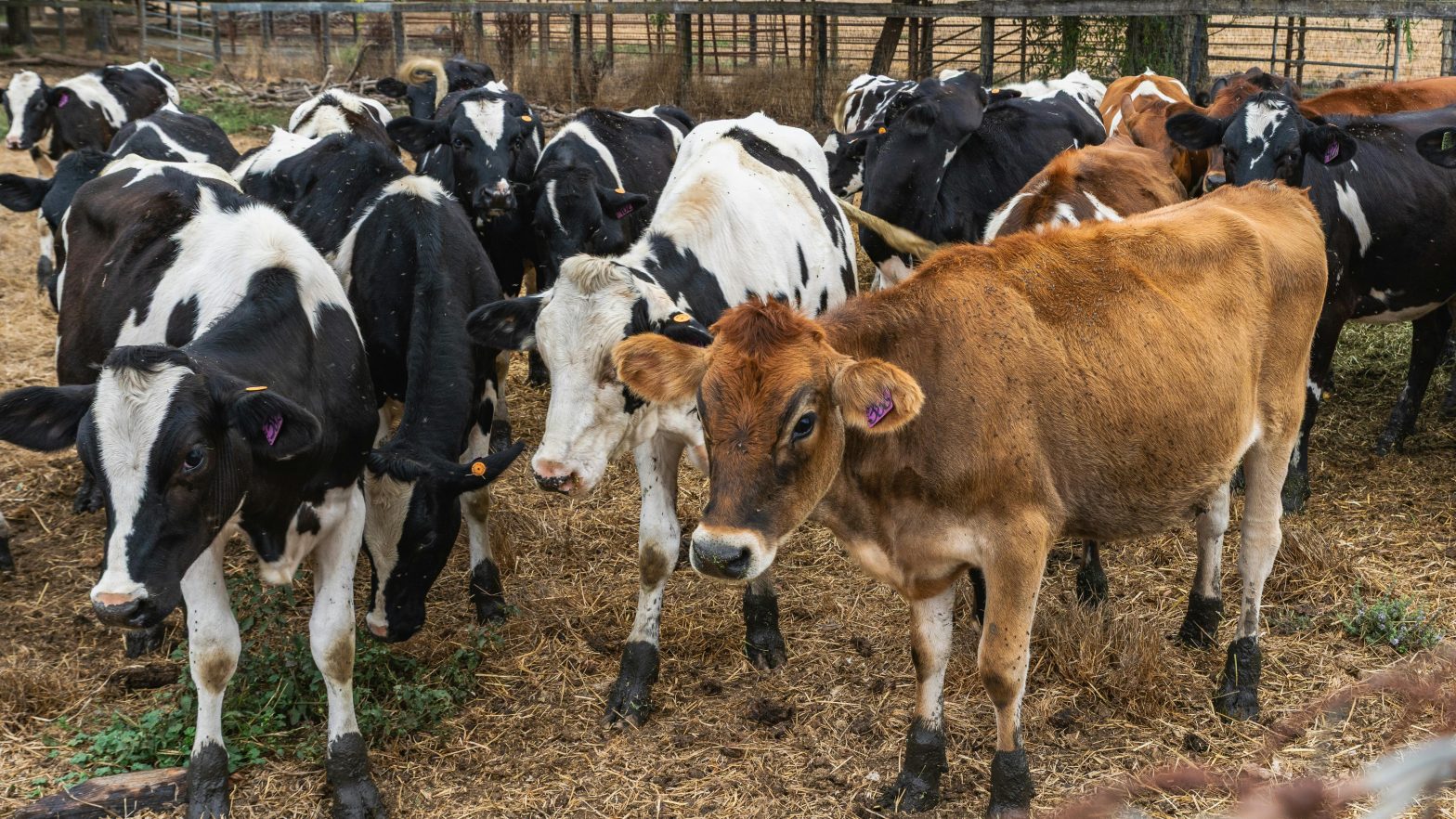
Cattle hoof care is an essential aspect of livestock management that directly influences animal welfare, productivity, and farm profitability. Healthy hooves enable cattle to walk, graze and stand comfortably, supporting optimal milk production in dairy herds, and efficient weight gain in beef cattle. Over the years, hoof care has evolved significantly — from time-honoured practices rooted in manual labour to cutting-edge technologies like automated cleaning systems, and artificial intelligence (AI) monitoring. Exploring the history of hoof care, common diseases, and the latest innovations shaping modern cattle management is key for understanding the optimal health of cattle.
A Brief History of Cattle Hoof Care
Historically, hoof care was a labour-intensive process relying heavily on human observation, and manual intervention. Early farmers recognized that cattle could suffer from hoof issues, but lacked the tools and scientific knowledge to address them effectively. Traditional methods centred on basic cleaning and trimming using hand tools, such as knives and rasps, which are still used by hoof trimmers. Footbaths containing copper sulphate or formalin were introduced to manage infections like digital dermatitis, though these required frequent manual preparation, and posed environmental and handling concerns.
READ: Inside the World of Canadian Horse Farming
Routine hoof trimming became an integral part of livestock husbandry, often carried out by experienced stockpersons who could identify obvious signs of distress, lameness, and overgrowth. Farmers learned to spot lame animals by observing changes in gait and posture, and corrective trimming was used to rebalance the hoof. While these methods laid the foundation for hoof care, they depended on consistent labour, subjective judgement, and a reactive approach to problems rather than preventative strategies.
Understanding Common Hoof Diseases and Infections
Cattle hooves are vulnerable to several diseases and conditions that can cause lameness, pain, and reduced performance. One of the most prevalent issues is digital dermatitis (also known as hairy wart or strawberry foot), a bacterial infection that affects the skin around the interdigital space. It often results in painful lesions, reluctance to bear weight, and uneven gait. Lameness associated with digital dermatitis can lead to decreased feed intake, and lowered milk yield.
Other frequent hoof problems include foot rot, a rapid-onset bacterial infection that causes intense swelling and lameness, laminitis, which results from inflammation of the sensitive hoof tissues often linked to diet or metabolic stress, and heel horn erosion, a condition where the hoof heel gradually deteriorates due to prolonged exposure to wet or unhygienic conditions. Sole ulcers also remain a concern, typically arising from uneven weight distribution or hard walking surfaces.
READ: How Much of the U.S. Is Actually Farmland?
Lameness itself is not a disease, but a symptom that indicates an underlying problem. It can arise from environmental factors, such as wet, muddy conditions that soften the hoof, and encourage bacterial growth. Nutritional imbalances can also weaken hoof integrity. Left unaddressed, hoof diseases can escalate into chronic issues, increasing culling rates, and veterinary costs.
According to recent data from Agriculture and Agri-Food Canada, feet and leg problems accounted for 5.7 percent in 2024 and around 6 percent of culling reasons in Canadian dairy cow since 2019, showing hoof issues as an identifiable category in total culling causes. Research based on dairy herds in New York State demonstrates that lameness is associated with shorter productive lifespans, with affected cows facing a significantly higher risk of being removed from the herd earlier than their non-lame counterparts.
Additional research in UK and Dutch dairy herds indicates that lameness is a major factor in culling decisions, accounting for approximately 6 percent and 9 percent respectively, of cows removed from herds due to hoof-related problems. In some veterinary and farm management reports, a 12 percent culling rate is used as a reference point for the impact of lameness, highlighting its significant influence on herd turnover and economic performance.
Studies modelling the economics of cattle lameness show that different hoof-related lesions carry substantial costs, with average losses per affected animal estimated at around $216 for sole ulcers, $133 for digital dermatitis, and $121 for foot rot in dairy herds. These figures reflect the combined impacts of reduced milk production, treatment, and reduced fertility.
In the U.S., lameness data report that total annual losses due to lameness (which is predominantly hoof related) in dairy herds typically range from about $120 to $330 per cow. For a herd of 1,000 cows, this translates to roughly $120,000–$330,000 in annual economic loss attributable to lameness.
Extension resources also note that even on moderate-sized farms, the cost of lameness — including hoof lesions — can significantly reduce profitability. For example, using the low end of $120 per case from above, a 200-cow herd experiencing a 20 percent lameness incidence would produce a loss exceeding $4,800 annually, and higher estimates per case quickly escalate total losses.
The Shift to Modern Innovations
In response to the limitations of traditional practices, modern livestock management has embraced technological advances that improve efficiency, accuracy, and animal comfort. Innovations such as automated cleaning systems, antibiotic-free treatments and AI-driven monitoring are transforming how farmers approach hoof care.
Automated Hoof Cleaning and Disinfection
One of the most significant advancements in hoof care is automated cleaning, and disinfection systems. Devices like the MS AutoHoofClean and Lely Meteor have emerged as efficient alternatives to traditional footbaths. Footbaths were once standard practice for controlling contagious hoof diseases, requiring staff to prepare and maintain solutions, monitor cattle as they passed through, and frequently replenish chemicals.
Automated systems streamline this process by integrating cleaning and disinfection into a gated passage that cattle walk through as part of their daily routine. The MS AutoHoofClean, for example, uses brushes and sprays to clean hooves and apply disinfectant without manual intervention. The Lely Meteor system can be installed in high-traffic areas, such as entrances to milking parlours, ensuring that hooves are cleaned regularly without disrupting herd movement.
READ: How India Became the World Leader in Rice Production
These systems reduce labour requirements and improve hygiene consistency, leading to lower incidence of infection. They also minimize chemical waste and environmental impact by targeting disinfectants precisely where needed, and using recirculation technologies.
Advancing Beyond Antibiotics
As concerns about antibiotic resistance grow, the livestock sector is prioritizing antibiotic-free treatments for hoof conditions where possible. Alternative therapies include topical antiseptics, natural antimicrobial compounds and enhanced cleaning protocols that reduce reliance on systemic antibiotics. These methods encourage healing while preserving beneficial microbiota, and reducing the risk of resistant bacterial strains.
Farmers also focus on preventative nutrition, ensuring that diets are balanced with vitamins and minerals that support hoof strength, and immune function. Supplements containing biotin, zinc, and methionine, for instance, have been shown to contribute to healthier hoof horn quality, making cattle less susceptible to cracks, and infections.
Artificial Intelligence and 3D Camera Monitoring
The integration of AI and 3D camera monitoring represents a leap forward in proactive hoof care. Modern systems equipped with high-resolution 3D cameras can scan cattle hooves as animals move through specific checkpoints, such as alleyways or parlour entrances. These cameras generate detailed images that AI algorithms analyze to detect subtle changes in hoof shape, wear patterns, and early signs of lesions.
By continuously monitoring hoof condition, these technologies can alert farm managers to potential problems long before visible lameness occurs. Early detection enables timely intervention, which reduces pain for the animal, and lowers treatment costs. Over time, data collected by these systems can be used to identify trends and risk factors within the herd, informing broader management decisions such as adjustments to flooring surfaces or herd nutrition.
READ: Why Are Used Tractors So Expensive?
AI-driven monitoring also minimizes subjectivity associated with manual assessments. While experienced stockpersons can recognize obvious issues, AI systems can consistently evaluate subtle changes across an entire herd, ensuring that no animal’s discomfort is overlooked.
Advanced Hoof Products
Alongside high-tech systems, the market now offers a range of advanced hoof products designed to support care, and recovery. These include specialized hoof blocks that redistribute weight away from injured areas, therapeutic wraps that protect lesions during healing, and rapid-setting hoof repair compounds that stabilize cracks. Many products feature ingredients that promote tissue regeneration, such as zinc oxide and iodine, and provide a barrier against pathogens.
In addition, modern hoof knives and trimming tools are ergonomically designed to enhance precision, and reduce the physical strain on handlers. Electric and hydraulic hoof trimming chutes allow cattle to be safely restrained, making the trimming process safer for both animals, and workers.
Preventative Protocols and Routine Management
Despite technological advancements, preventative protocols remain foundational to effective hoof care. Regular hoof inspections should be part of a herd health plan, with animals examined at key points, such as post-calving or during peak production periods. Incorporating hoof assessments into daily routines helps identify early signs of discomfort.
Maintaining clean, dry environments is also critical. Hoof problems are more prevalent in areas where manure, moisture, and abrasive surfaces are present. Well-designed barns and laneways with proper drainage and comfortable bedding reduce exposure to pathogens, and mechanical stress.
Education and training for farm staff are equally important. Understanding how to recognize the earliest signs of hoof issues — even changes in behaviour such as reduced activity — empowers teams to act swiftly and appropriately.
Improved Trimming Techniques
Hoof trimming remains a cornerstone of cattle care and modern methods have improved on older approaches. Today’s trimming focuses on restoring natural hoof balance by removing excess horn, and correcting uneven weight distribution. Proper trimming reduces the risk of sole ulcers, and other pressure-related conditions.
Training in hoof anatomy and trimming techniques ensures that practitioners work safely, and effectively. Many regions offer certifications or workshops that equip farmers and hoof trimmers with up-to-date skills. Coupled with ergonomic trimming facilities and tools, improved techniques reduce animal stress, and enhance the outcomes of routine maintenance.
A New Era in Hoof Health
Cattle hoof care has come a long way from its humble beginnings of manual trimming, and basic footbaths. Today’s livestock managers have access to solutions that combine animal welfare with operational efficiency. Automated cleaning and disinfection systems, such as the MS AutoHoofClean and Lely Meteor are transforming hygiene routines. AI and 3D camera monitoring are enabling early detection of issues that would otherwise go unnoticed until they worsen. Meanwhile, antibiotic-free treatments, advanced products, preventative protocols, and refined trimming techniques all contribute to healthier herds.
By embracing both technological innovation and sound management practices, farmers can protect animal well-being, enhance productivity, and reduce the long-term costs associated with hoof diseases. Prioritizing hoof care is an investment in the overall health of the herd, and the success of the farming operation.
What’s the biggest hoof health challenge in your herd, and what’s worked best for you — traditional methods or newer technology?
Sources
- Booth, C., Warnick, L., Gröhn, Y., Maizon, D., Guard, C., & Janssen, D. (2004). Effect of lameness on culling in dairy cows. Journal of Dairy Science, 87(12), 4115–4122. https://doi.org/10.3168/jds.s0022-0302(04)73554-7
- Cha, E., Hertl, J., Bar, D., & Gröhn, Y. (2010). The cost of different types of lameness in dairy cows calculated by dynamic programming. Preventive Veterinary Medicine, 97(1), 1–8. https://doi.org/10.1016/j.prevetmed.2010.07.011
- Government of Canada, Agriculture and Agri-food Canada. (2025, May 7). Culling and replacement rates in dairy herds in Canada. agriculture.canada.ca. Retrieved March 26, 2026, from https://agriculture.canada.ca/en/sector/animal-industry/canadian-dairy-information-centre/statistics-market-information/dairy-animal-genetics/culling-replacement
- Guard, C. & Cornell University Veterinary College, Department of Population Medicine and Diagnostic Services. (2017). Lameness reduces overall herd performance. In WCDS Advances in Dairy Technology (Vols. 29–29, pp. 275–282). Retrieved March 26, 2026, from https://wcds.ualberta.ca/wp-content/uploads/sites/57/2018/05/p-275-284-Guard.pdf
- Langova, L., Novotna, I., Nemcova, P., Machacek, M., Havlicek, Z., Zemanova, M., & Chrast, V. (2020). Impact of nutrients on the hoof health in cattle. Animals, 10(10), 1824. https://doi.org/10.3390/ani10101824
- Urban-Chmiel, R., Mudroň, P., Abramowicz, B., Kurek, Ł., & Stachura, R. (2024). Lameness in Cattle—Etiopathogenesis, Prevention and treatment. Animals, 14(12), 1836. https://doi.org/10.3390/ani14121836