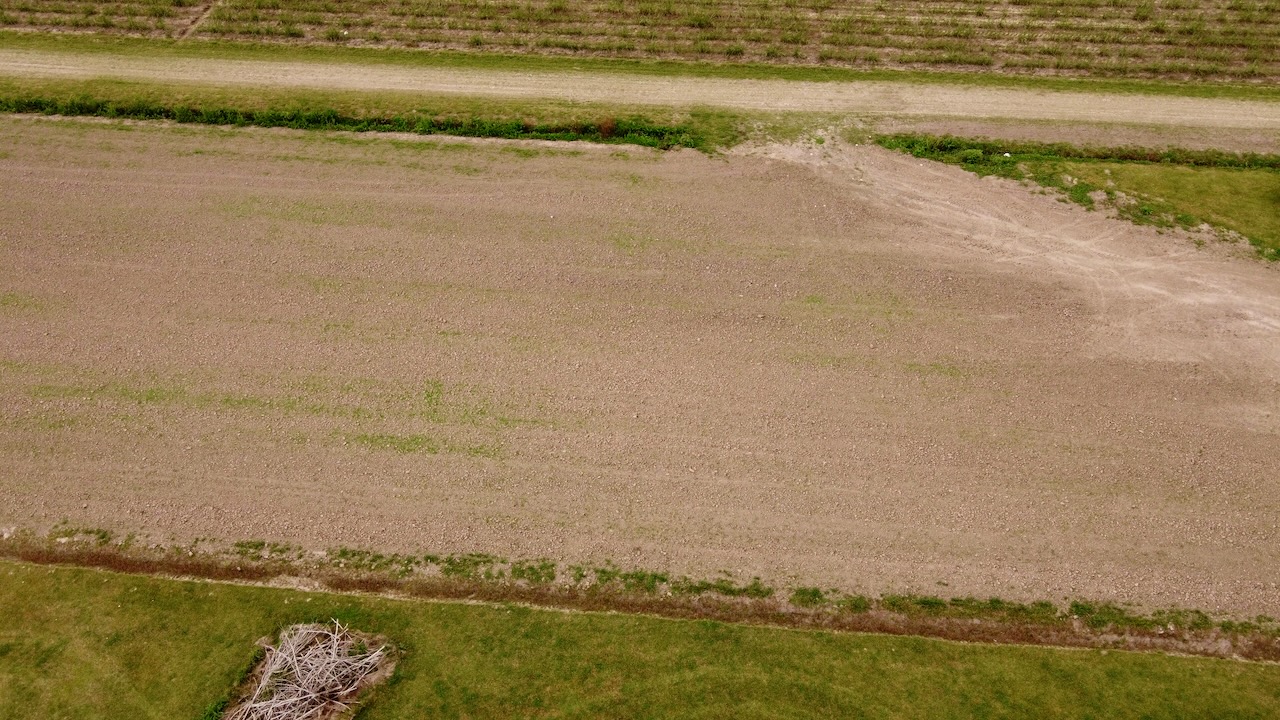
Farmers across Louisiana are confronting a convergence of economic and environmental challenges that are testing the long-term viability of agricultural operations. Extreme weather remains one of the most disruptive forces. The ever-present threat of hurricanes — alongside flooding and periodic drought — continues to pose significant risks to crop yields and farmland, particularly affecting Louisiana’s rice, sugarcane, and crawfish industries. Recent disaster events have had serious consequences on the state’s agricultural and timber economy, underscoring the vulnerability of farms to climate volatility.
READ: Banana Farming in the Heart of the Colorado Rockies
At the same time, rising input costs — fuel, fertilizer, and equipment — are squeezing margins, while commodity prices have remained relatively sluggish. This imbalance has made profitability increasingly difficult, especially for small and mid-sized farms awaiting federal farm bill updates that could stabilize income support programs.
Labour shortages, particularly in specialized sectors like crawfish and seafood production, further compound the problem, limiting output and increasing operational strain.
The Need for Better Planning and Risk Management
Given these pressures, strategic planning is becoming essential for Louisiana producers. Expanding crop diversification can help reduce reliance on a single revenue stream, while conservation practices — such as improved water management and soil resilience — can mitigate damage from floods and droughts.
READ: Will Japan Survive Its Aging Farmer Crisis?
Federal programs offered through the U.S. Department of Agriculture (USDA) provide a framework for this planning. Crop insurance, disaster assistance, and revenue protection programs are designed to stabilize farm income and help producers recover from losses. These tools not only provide financial relief but also encourage long-term resilience through better risk management strategies. However, even with these already in place, many farmers are still struggling. Investment in technology, including precision agriculture and climate forecasting tools, can also improve efficiency and reduce exposure to unpredictable conditions.
Legislative Action: A Push for Farmer Relief
Recognizing these challenges, lawmakers have introduced new measures aimed at providing timely relief. A recently proposed bill in Congress — the Emergency Conservation Program Improvement Act, H.R. 1011 — seeks to expand financial assistance for farmers affected by natural disasters. The legislation would accelerate cost-sharing payments and broaden eligibility for recovery programs, allowing producers to rebuild more quickly after events such as hurricanes or wildfires.
READ: How the U.S.-Israel War With Iran Is Disrupting Global Fertilizer Supply
In parallel, broader farm bill negotiations in 2026 aim to address systemic issues such as income support, conservation funding, and risk management programs, though key provisions remain under debate.
Looking Ahead
Louisiana agriculture stands at a critical juncture. While environmental risks and economic pressures continue to intensify, a combination of proactive farm-level planning and responsive public policy may determine the sector’s resilience. Strengthening both will be essential to ensuring that Louisiana’s farmers can adapt, recover, and remain competitive in the years ahead.
Between severe weather events, saltwater intrusion, and rising input costs, what structural supports do Louisiana sugar and rice growers need most to stay viable?
Sources
- Letlow, Julia. (2025). Emergency Conservation Program Improvement Act of 2025. In H. R. 1011. Retrieved April 14, 2026, from https://www.congress.gov/119/bills/hr1011/BILLS-119hr1011ih.pdf
- United States Department of Agriculture. (2021, June 2). Protection and recovery programs and resources. Farmers.gov. Retrieved April 14, 2026, from https://www.farmers.gov/protection-recovery