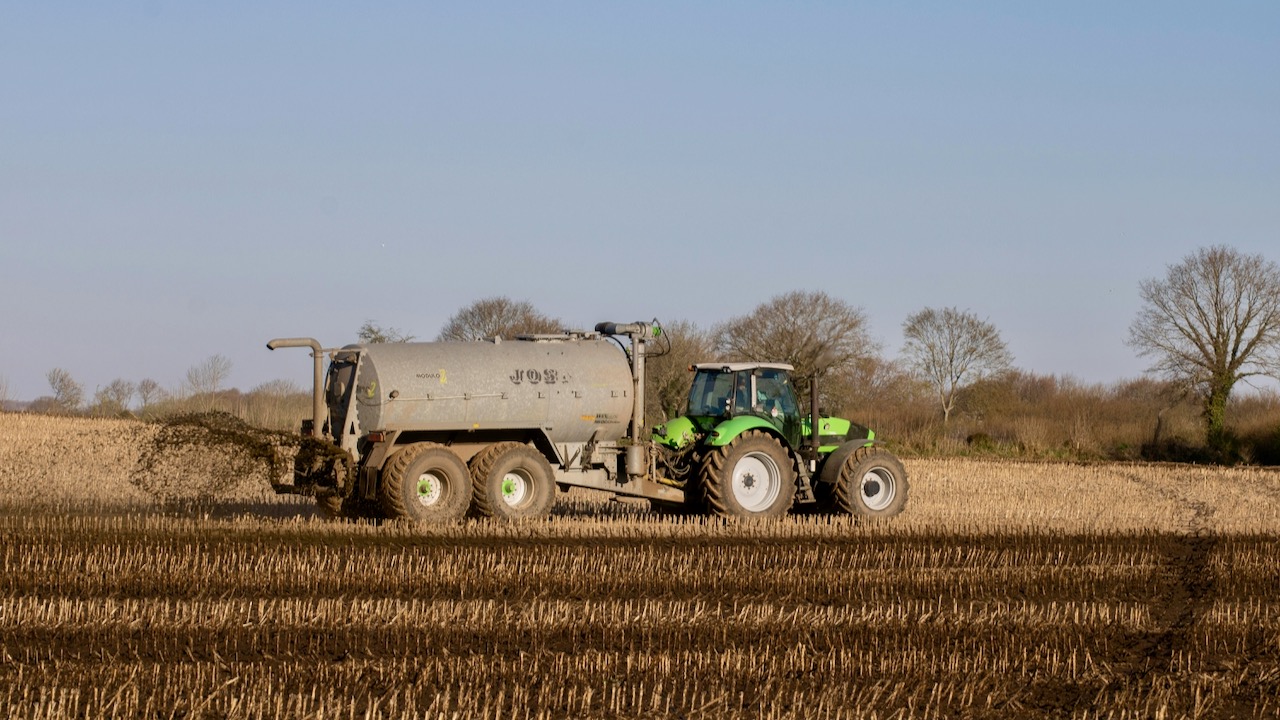
Fertilizer has become one of the most influential inputs in modern agriculture. By supplying essential nutrients that crops need to grow, fertilizers have dramatically increased food production and helped support the global population. Yet their widespread use has also raised concerns about environmental impacts and potential health risks. Understanding how fertilizers developed — from early organic materials to advanced chemical compounds — reveals how agriculture has evolved to meet the challenge of feeding billions of people.
Early Fertilizer Use in Traditional Farming
Long before modern chemistry explained plant nutrition, farmers understood that soil fertility determined crop success. Ancient agricultural societies used natural materials such as animal manure, crop residues, ashes, and compost to replenish soil nutrients. In China, records dating back thousands of years describe the systematic collection and reuse of organic waste as fertilizer, while European farmers relied heavily on livestock manure to maintain soil productivity.
READ: Why 99 Percent of Canadians Are Denied Entry into Farming
Scientific understanding of plant nutrition began to emerge during the nineteenth century. Agricultural chemists discovered that plants require specific mineral nutrients to grow. Among the most important were nitrogen, phosphorus, and potassium, now commonly referred to as the “NPK” nutrients. These discoveries helped shift agriculture from traditional organic inputs toward fertilizers formulated with specific chemical compounds designed to supply these elements efficiently.
One of the earliest manufactured fertilizers was superphosphate, created by treating phosphate rock with sulfuric acid to produce a form of phosphorus that plants could readily absorb. This innovation, first commercialized in the 1840s, marked the beginning of the modern fertilizer industry.
The Breakthrough of Synthetic Nitrogen
The most significant development in fertilizer history occurred in the early twentieth century with the invention of synthetic nitrogen fertilizer. Nitrogen is an essential nutrient for plant growth because it forms a key component of proteins and chlorophyll. Although nitrogen gas makes up roughly 78 percent of Earth’s atmosphere, it exists as dinitrogen (N2), a form that plants cannot directly absorb or process.
In 1909, German physical chemist Fritz Haber demonstrated that atmospheric nitrogen could be converted into ammonia by combining it with hydrogen under high pressure and temperature in the presence of a catalyst, originally osmium and uranium. Chemist and engineer Carl Bosch, who was working for BASF at the time, later adapted the process for large-scale production. A key breakthrough came when BASF researcher Alwin Mittasch discovered that iron-based catalysts were more effective, cheaper, and safer than Haber’s original osmium or uranium, finalizing what is now known as the Haber-Bosch process.
The industrial synthesis of ammonia began in 1913 and revolutionized agriculture. Synthetic nitrogen fertilizers became one of the primary drivers of increased crop yields in the twentieth century. Today, most nitrogen fertilizers are produced using variations of the Haber-Bosch process, making ammonia one of the most widely manufactured chemicals in the world.
READ: The Fertilizer Ban That Broke Sri Lanka
Researchers have estimated that synthetic nitrogen fertilizers help sustain food production for nearly half of the global population. Without this technology, agricultural yields would be significantly lower, requiring far more farmland to produce the same amount of food.
Chemical Composition of Modern Fertilizers
Modern fertilizers are typically categorized based on the three primary nutrients they supply: nitrogen, phosphorus, and potassium. Each plays a distinct role in plant growth and development.
Nitrogen fertilizers promote leaf and stem growth and are essential for photosynthesis. Common nitrogen fertilizers include urea, ammonium nitrate, and ammonium sulfate. Urea, produced by reacting ammonia with carbon dioxide, is currently the most widely used nitrogen fertilizer globally.
Phosphorus fertilizers support root development and energy transfer within plants. These fertilizers are primarily produced from phosphate rock deposits that are mined and chemically processed into compounds such as monoammonium phosphate and diammonium phosphate.
READ: How the U.S.-Israel War With Iran Is Disrupting Global Fertilizer Supply
Potassium fertilizers, often referred to as potash, help regulate plant water balance and improve resistance to disease. Potash fertilizers are typically derived from mined potassium salts and processed into compounds such as potassium chloride. Together, these nutrients allow farmers to manage soil fertility with precision. Advances in fertilizer technology have also produced slow-release fertilizers and enhanced-efficiency formulations that reduce nutrient losses and improve crop uptake.
Fertilizer and the Green Revolution
The global importance of fertilizer became especially evident during the Green Revolution of the mid-twentieth century. Beginning in the 1950s and accelerating through the 1960s and 1970s, agricultural scientists introduced new high-yield crop varieties alongside irrigation systems, pesticides, and synthetic fertilizers.
These innovations dramatically increased yields for staple crops such as wheat and rice in countries including India and Mexico. The expanded use of fertilizers was a central component of these gains, allowing crops to reach their genetic yield potential.
READ: How India Became the World Leader in Rice Production
The Green Revolution significantly increased global food production and helped prevent widespread famine in several developing regions. However, it also intensified agricultural systems and increased reliance on chemical inputs, contributing to the debates about sustainability that continue today.
Environmental and Health Considerations
Despite their role in boosting crop yields, fertilizers have also raised environmental and public health concerns. When fertilizers are applied in excess or at the wrong time, nutrients can escape into surrounding ecosystems.
Nitrogen runoff from agricultural fields can enter rivers, lakes, and coastal waters, contributing to nutrient pollution and harmful algal blooms. The United States Environmental Protection Agency (EPA) notes that excess nitrogen and phosphorus in waterways can reduce water quality, damage aquatic ecosystems, and threaten drinking water supplies.
Another environmental issue involves greenhouse gas emissions. The production of ammonia requires significant amounts of energy, often derived from natural gas. In addition, nitrogen fertilizers applied to soil can generate nitrous oxide through microbial processes. Nitrous oxide is a potent greenhouse gas with a global warming potential far greater than carbon dioxide over a 100-year period.
Researchers have also examined potential health concerns related to trace contaminants in fertilizers, particularly heavy metals that may occur naturally in some phosphate rock deposits. Studies published by environmental agencies and academic institutions suggest that the levels found in regulated fertilizers are typically low, but long-term monitoring is considered important to prevent accumulation in soils.
These concerns have led to increased emphasis on nutrient management strategies that improve fertilizer efficiency while minimizing environmental impacts.
Policy Changes and Regulatory Developments
Recent policy changes in several countries have significantly affected the fertilizer industry. Governments are increasingly introducing regulations aimed at improving fertilizer efficiency, reducing pollution, and addressing climate change.
In Canada, updated Fertilizers Regulations administered by the Canadian Food Inspection Agency came fully into force in 2023. These regulations modernized the framework governing fertilizer registration, safety standards, and labeling requirements. The reforms also expanded oversight of new fertilizer products, including biological additives designed to improve soil health.
Canada has also introduced climate-related targets affecting fertilizer use. The federal government has committed to reducing greenhouse gas emissions associated with fertilizer use by 30 percent from 2020 levels by 2030. According to Agriculture and Agri-Food Canada, the initiative focuses on improving fertilizer management practices rather than mandating specific reductions in fertilizer application rates.
International fertilizer markets have also been influenced by geopolitical and trade developments. Supply disruptions linked to the Russia-Ukraine war significantly affected global fertilizer availability beginning in 2022, as both Russia and Belarus are major exporters of potash and nitrogen fertilizers. Governments and agricultural organizations responded by seeking alternative suppliers and expanding domestic production capacity.
In addition, environmental regulations in regions such as the European Union increasingly address the carbon intensity of fertilizer production. These policies aim to encourage the development of lower-emission manufacturing processes, including the use of renewable energy in ammonia production.
READ: Ongoing Drought Haunts Texas Cattle Producers
U.S. – Israel War with Iran
The ongoing U.S.–Israel war with Iran and the resulting disruption or closure of the Strait of Hormuz — a chokepoint that normally handles roughly 30 percent of global fertilizer trade — has triggered a severe, uneven shock across nitrogen, phosphorus, and potassium markets. Nitrogen fertilizers (especially urea and ammonia), which depend heavily on natural gas and Gulf production, have been hit hardest: prices have surged 30–70 percent since the war began in March 2026, while regional output has dropped sharply, with 55–60 percent of Middle Eastern urea production stopped. Phosphorus fertilizers have also tightened due to disrupted sulfur supplies from the region, though price increases have been more moderate, while potash — largely sourced outside the Gulf — has seen minimal short-term supply disruption, yet volatile price changes.
Overall, the effective loss or constraint of Hormuz transit has temporarily removed or delayed up to one-third of globally traded fertilizer volumes, creating a supply squeeze rather than a total production collapse. Fertilizers play a critical role in producing about half of the world’s food, so any disruption has serious ripple effects. Early estimates suggest global crop yields and total food supply could drop by a few percent, but the impact won’t be evenly spread — countries that rely heavily on imports are likely to face much sharper shortages. In more severe scenarios, this could translate into less meals worldwide and push tens of millions of additional people into hunger.
The full effect is delayed — likely 6–9 months after planting cycles — meaning the largest food supply shocks will appear in upcoming harvest seasons, and perhaps subsequent ones as well. Even if shipping lanes reopen quickly, recovery is not instant: logistics backlogs, damaged production, and input shortages mean fertilizer markets would likely take several months to stabilize, while a prolonged conflict overlapping a full growing season could extend recovery to up to 24 months or longer before returning to prewar availability and pricing. A recent survey by Farm Bureau found that around 70 percent of American farmers won’t be able to afford the fertilizer that will be needed for the upcoming season. For those farmers that did not pre-purchase fertilizer before the war, which nationally are a majority, uncertainty whether they will be able to continue or go bankrupt is high.
The Future of Fertilizer in Global Agriculture
The future of fertilizer use will likely depend on balancing the need for high agricultural productivity with environmental sustainability. Researchers are developing new technologies designed to reduce fertilizer losses and improve nutrient uptake by crops.
Enhanced-efficiency fertilizers, for example, use coatings or chemical inhibitors to slow the release of nutrients and prevent them from leaching into water systems. Precision agriculture technologies allow farmers to apply fertilizers only where soil testing shows they are needed, reducing waste and environmental impact. Scientists are also exploring biological solutions such as microbes that can help plants access nutrients naturally or fix nitrogen from the atmosphere.
Despite these innovations, fertilizers will remain essential for global food production. As the world’s population continues to grow and demand for food rises, maintaining soil fertility and crop yields will remain a central challenge for agriculture. The ongoing task for policymakers, farmers, and researchers is to ensure that fertilizers are used efficiently and responsibly so that they continue to support food security without compromising environmental and human health. Aside from that, the war with Iran has made one thing clear: increased fertilizer production at home rather than dependancy on foreign regions. Countries such as the U.S., with large geographies have the capacity to produce large sums of fertilizer for its own agriculture base, and can better guarantee food security of its citizens and global consumers, while also maintaining the livelihood of its farmers for generations to come. This is a common sense approach that all nations who have the capacity, need to adopt to avoid any number of future disruptions in food security.
Will precision placement technologies and bio-fertilizers be enough to offset global fertilizer supply disruptions, or must cropping systems fundamentally shift?
Sources
- Agriculture And Agri-Food Canada. (2023, June 23). Reducing emissions from fertilizer. agriculture.canada.ca. Retrieved May 5, 2026, from https://agriculture.canada.ca/en/environment/fertilizers-and-pesticides/reducing-emissions-fertilizer
- Canadian Food Inspection Agency. (2023, May 18). Notice to industry: Implementation of the amended Fertilizers Regulations – prioritization of compliance activities after the end of the transitional period. inspection.canada.ca. Retrieved May 5, 2026, from https://inspection.canada.ca/en/plant-health/fertilizers/notices-industry/2023-05-03
- FAO. (2026, April). Agrifood policy highlights | April 2026 | Agrifood Economics | Food and Agriculture Organization of the United Nations. fao.org. Retrieved May 5, 2026, from https://www.fao.org/agrifood-economics/news/detail-events/en/c/1758248/
- Gordon, N., & Corthell, L. (2026, March 12). The other global crisis stemming from the strait of Hormuz’s blockage. Carnegie Endowment for International Peace. Retrieved May 5, 2026, from https://carnegieendowment.org/emissary/2026/03/fertilizer-iran-hormuz-food-crisis
- Heavy metals in soil ecosystems (Signal). (2025, March 3). Indicators and Signals | European Zero Pollution Dashboards (EEA). Retrieved May 5, 2026, from https://www.eea.europa.eu/en/european-zero-pollution-dashboards/indicators/heavy-metals-in-soil-ecosystems-signal
- Hebebrand, C., Glauber, J., Vos, R., & Rice, B. (2026, April 1). The Iran war’s impacts on global fertilizer markets and food production. International Food Policy Research Institute. Retrieved May 5, 2026, from https://www.ifpri.org/blog/the-iran-wars-impacts-on-global-fertilizer-markets-and-food-production/
- Held, A. (2026, April 24). Global Supply Disruption Sends Nitrogen Fertilizer Prices Higher. Successful Farming. Retrieved May 5, 2026, from https://www.agriculture.com/global-supply-disruption-sends-nitrogen-fertilizer-prices-higher-11957883
- Parum, F. (2026, April 14). Farm Bureau survey reveals real impact of fertilizer availability and price. American Farm Bureau Federation. Retrieved May 5, 2026, from https://www.fb.org/market-intel/farm-bureau-survey-reveals-real-impact-of-fertilizer-availability-and-price
- Rodríguez, A., Van Grinsven, H. J., Van Loon, M. P., Doelman, J. C., Beusen, A. H., & Lassaletta, L. (2023). Costs and benefits of synthetic nitrogen for global cereal production in 2015 and in 2050 under contrasting scenarios. The Science of the Total Environment, 912, 169357. https://doi.org/10.1016/j.scitotenv.2023.169357
- Su, K., Zhang, Q., Chen, A., Wang, X., Zhan, L., Rao, Q., Wang, J., & Yang, H. (2025). Heavy metals concentrations in commercial organic fertilizers and the potential risk of fertilization into soils. Scientific Reports, 15(1), 1230. https://doi.org/10.1038/s41598-024-79681-9
- Thornber, E. (2026, April 28). Gulf urea output drops with lack of fertilizer ships to load. Financialpost. Retrieved May 5, 2026, from https://financialpost.com/pmn/business-pmn/mideast-urea-output-slumps-with-lack-of-fertilizer-ships-to-load
- United States EPA. (2025, December 29). Understanding global warming potentials | US EPA. US EPA. Retrieved May 5, 2026, from https://www.epa.gov/ghgemissions/understanding-global-warming-potentials